
Protecting Lake Erie
My Position
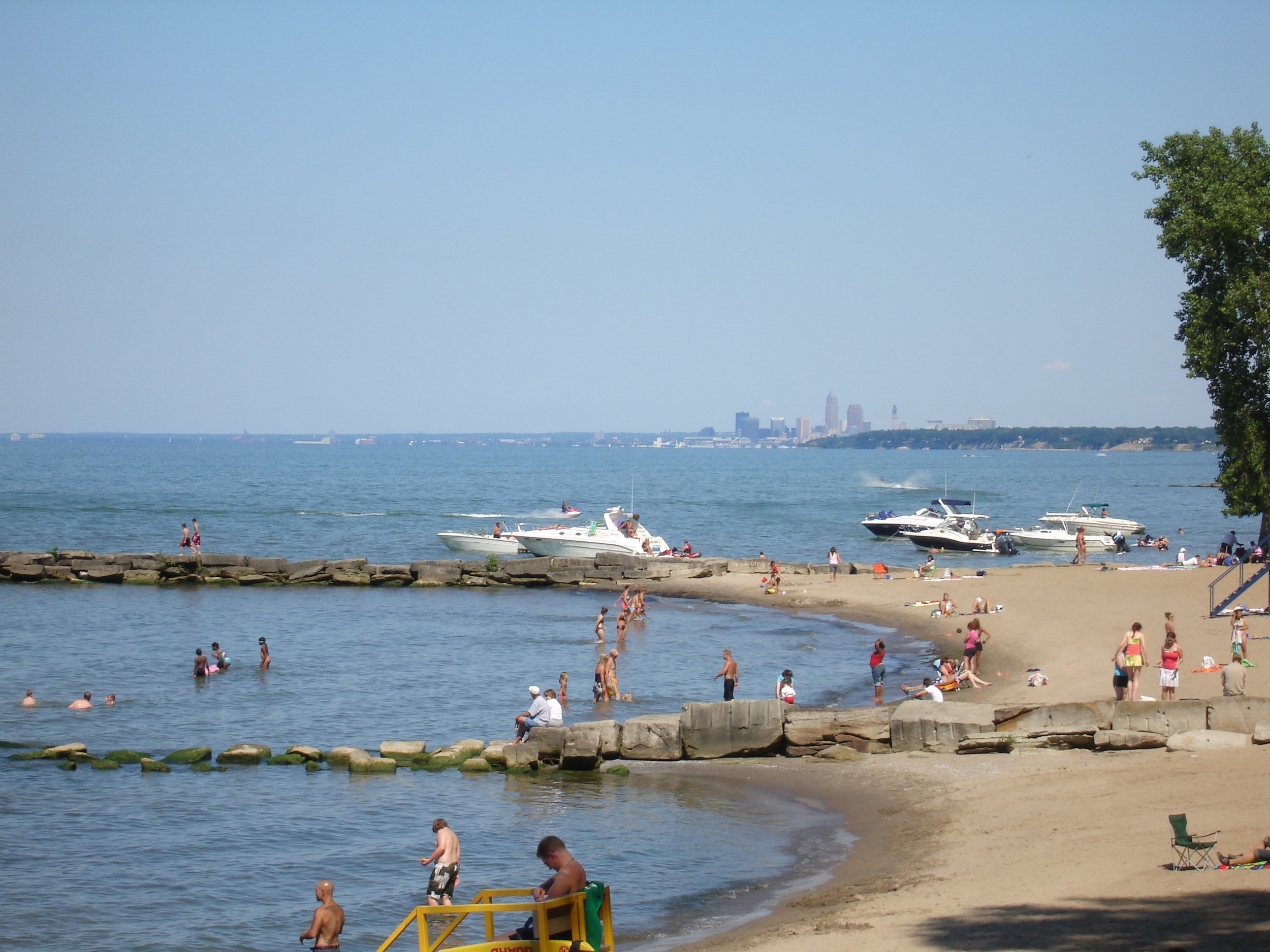
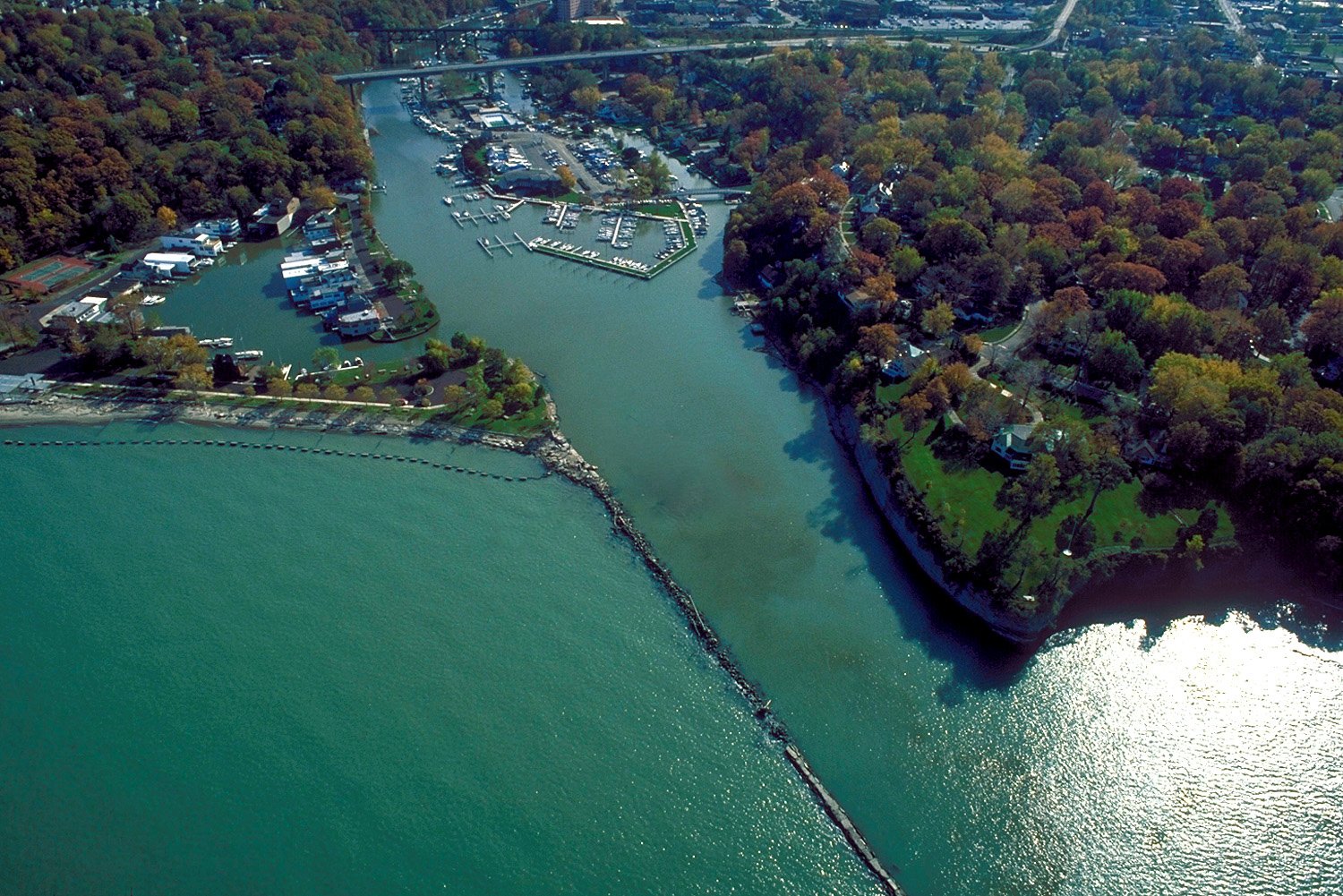
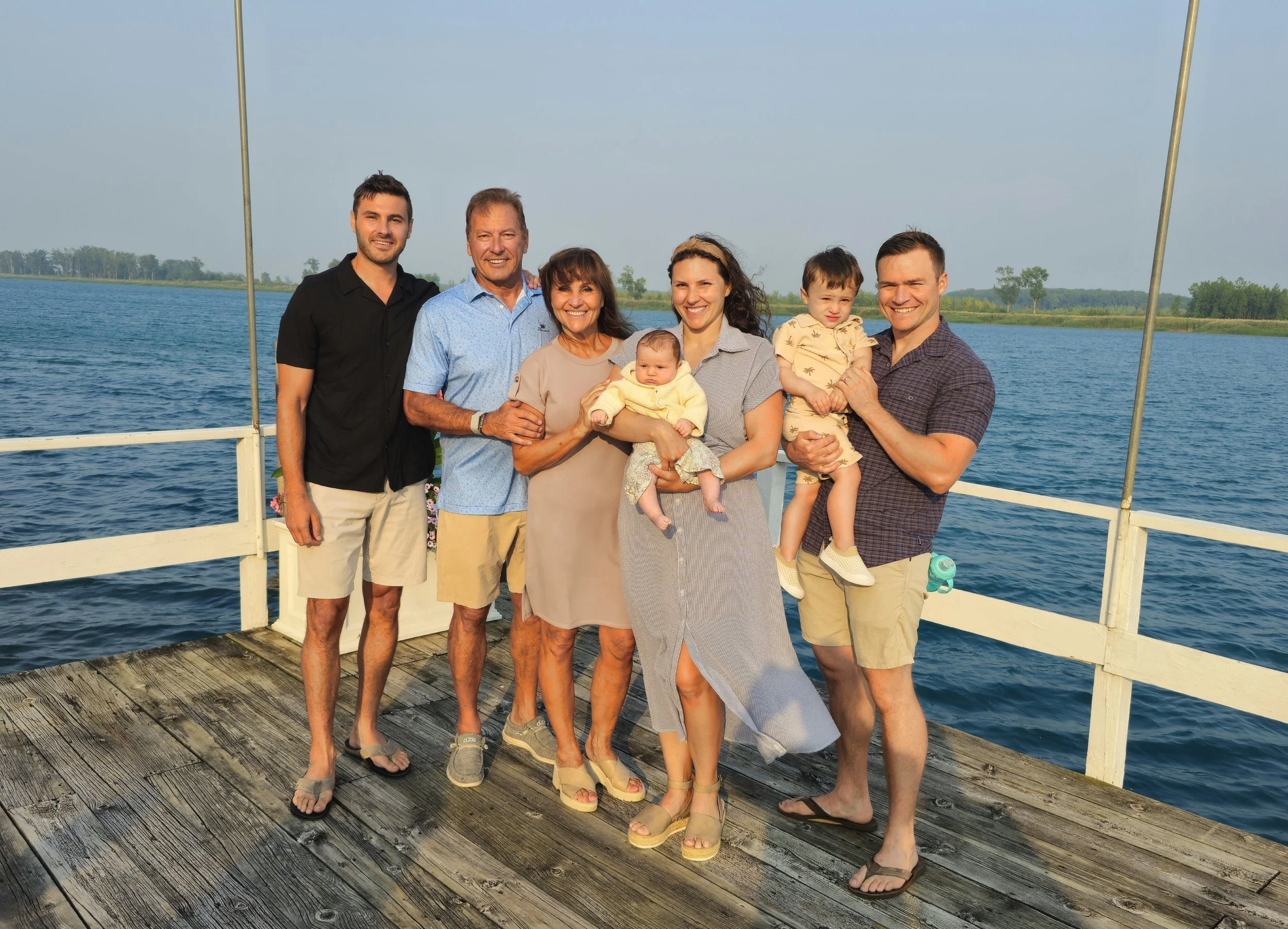
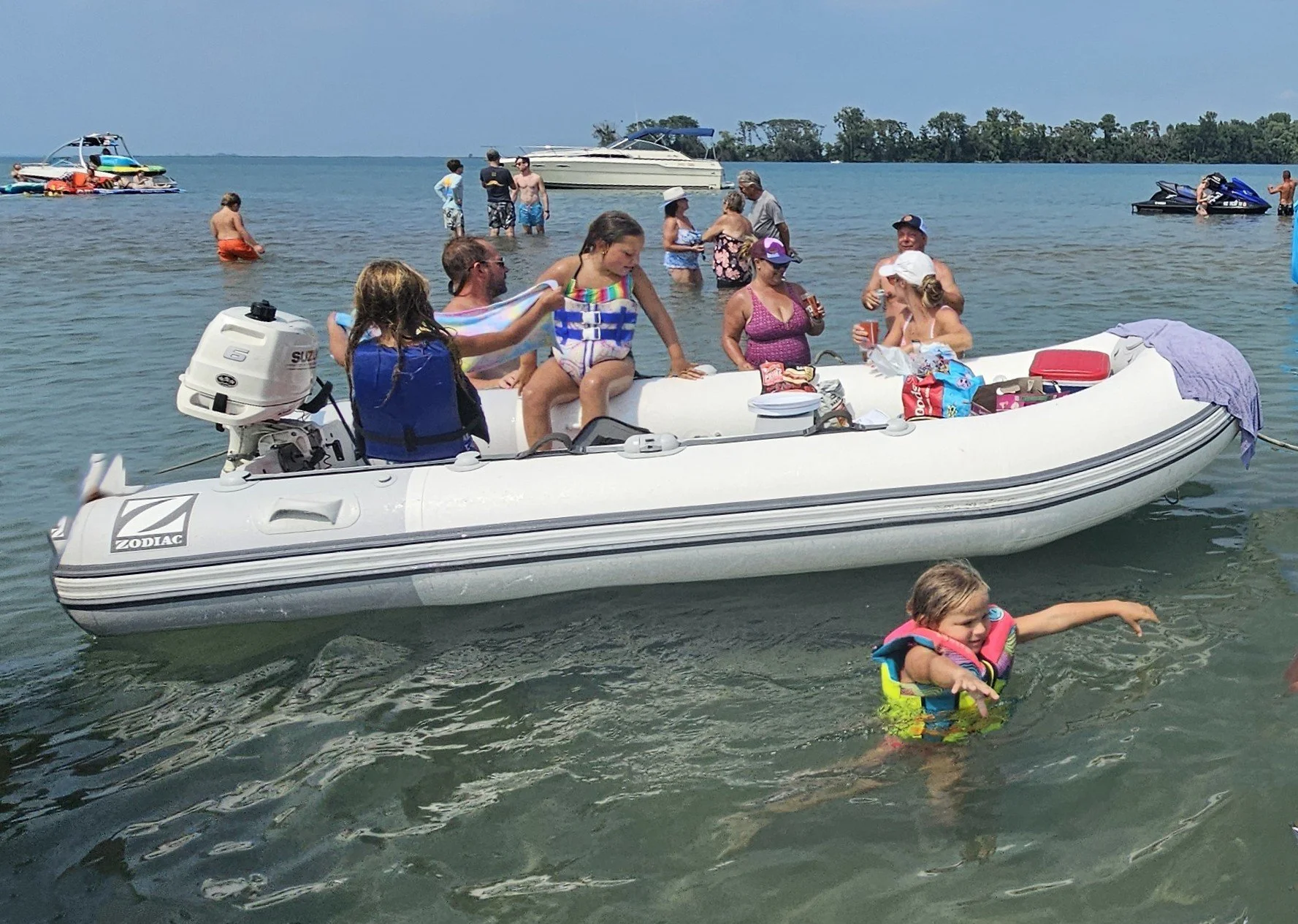
Protecting Lake Erie is deeply personal to me and one of my top priorities. I grew up boating and raised my four children in the Westshore community with parks, beaches, and marinas near the lake where we swam, collected sea glass, and watched sunsets. Protecting Lake Erie isn't a position I've adopted for a campaign — it's part of my life, as it is for many in the Westshore community. From beach clean-ups since childhood, to supporting research and organizations working to address threats to the lake from algal blooms, microplastics, invasive species, and pollution, I believe the lake is one of the unique features of the Westshore community and Ohio that we must preserve for future generations.
H2Ohio is one of Ohio's strongest programs protecting Lake Erie, but it lost nearly 40% of its funding in the 2026 state budget. I will advocate for restoring H2Ohio's full funding.
What is H2Ohio
H2Ohio traces back to the August 2014 Toledo water crisis, when microcystin from a harmful algal bloom in Lake Erie contaminated the city's drinking water and left roughly 500,000 people without safe tap water for two days. In response, the state built H2Ohio around three main pillars: reducing agricultural nutrient runoff (the biggest driver of Lake Erie's algal blooms), restoring and building wetlands to filter nutrients naturally before they reach waterways, and upgrading water infrastructure — replacing lead service lines, fixing failing household septic systems, and funding wastewater and drinking-water projects. It's administered jointly by the Ohio Department of Agriculture, the Ohio Department of Natural Resources, and Ohio EPA.
On the agricultural side, I met with leaders from the Ohio Farmers Bureau to discuss their collaboration with the state. H2Ohio works with Ohio farmers to voluntarily enroll in crop management practices that naturally reduce phosphorus runoff. In its first year, farmers enrolled roughly 1 million acres of cropland in H2Ohio; by 2025, that had grown to 2.5 million acres statewide, with about 95% of enrolled producers choosing to continue their participation. It's working: Ohio Sea Grant researchers have documented roughly a 10-12% reduction in phosphorus runoff into the watershed since the program began, real progress toward the long-standing goal of cutting phosphorus loading into Lake Erie by 40%.
H2Ohio Current Funding
Ohio's H2Ohio program received $270 million in the 2024–2025 state budget, but only about $165 million in 2026–2027 — a nearly 40% cut. As a result, funding for the voluntary enrollment incentives that pay farmers was cut by about 11%, and the state has reduced water-quality monitoring and curtailed river and coastline restoration and preservation work.
Some legislative leaders have defended the cuts by questioning whether the program's results justify its cost. But a program that's already producing a measurable double-digit reduction in the phosphorus driving our algal blooms — while more than 95% of enrolled farmers keep choosing to stay in it — is exactly the kind of state investment we should be expanding, not shrinking.
What We Can Do
During the next budget review, I will strongly advocate for restoring full funding to the H2Ohio program. I will show up and testify at budget hearings, work directly with state legislators to make the case for restoration funding, and push back on the notion that this program isn't delivering results. I will work with organizations like the Lake Erie Foundation and Ohio Sea Grant to bring the research and data on the program's effectiveness — and its long-term benefits to Lake Erie, its farmers, its economy, and all Ohioans — directly to the decision-makers who control the budget.
Reach Out to Me
You can reach out to me and tell me your thoughts, concerns, and what you'd like to see the state do to protect Lake Erie. Many voices will help us protect our lake and its legacy.

Sophia is endorsed by the Ohio Farmer’s Bureau as a Friend of Agriculture.